Developing Leadership Skills from a Young Age: How Today’s Schools Can Shape Tomorrow’s Leaders
Picture a classroom where a group of children is building a cardboard city. One is sketching, one is negotiating, one is testing a paper bridge, and another quietly suggests building a recycling plant. No titles, no instructions, yet leadership is happening naturally.
This is modern education where leadership isn’t a chapter, but an everyday experience. And it begins much earlier than we think.
In a world driven by innovation, empathy, and collaboration, developing leadership skills in students has become essential. Schools today play a crucial role in shaping confident, emotionally intelligent, and creative young leaders who can adapt to the fast-changing future.
Here’s how schools can empower children to lead not someday, but from today.
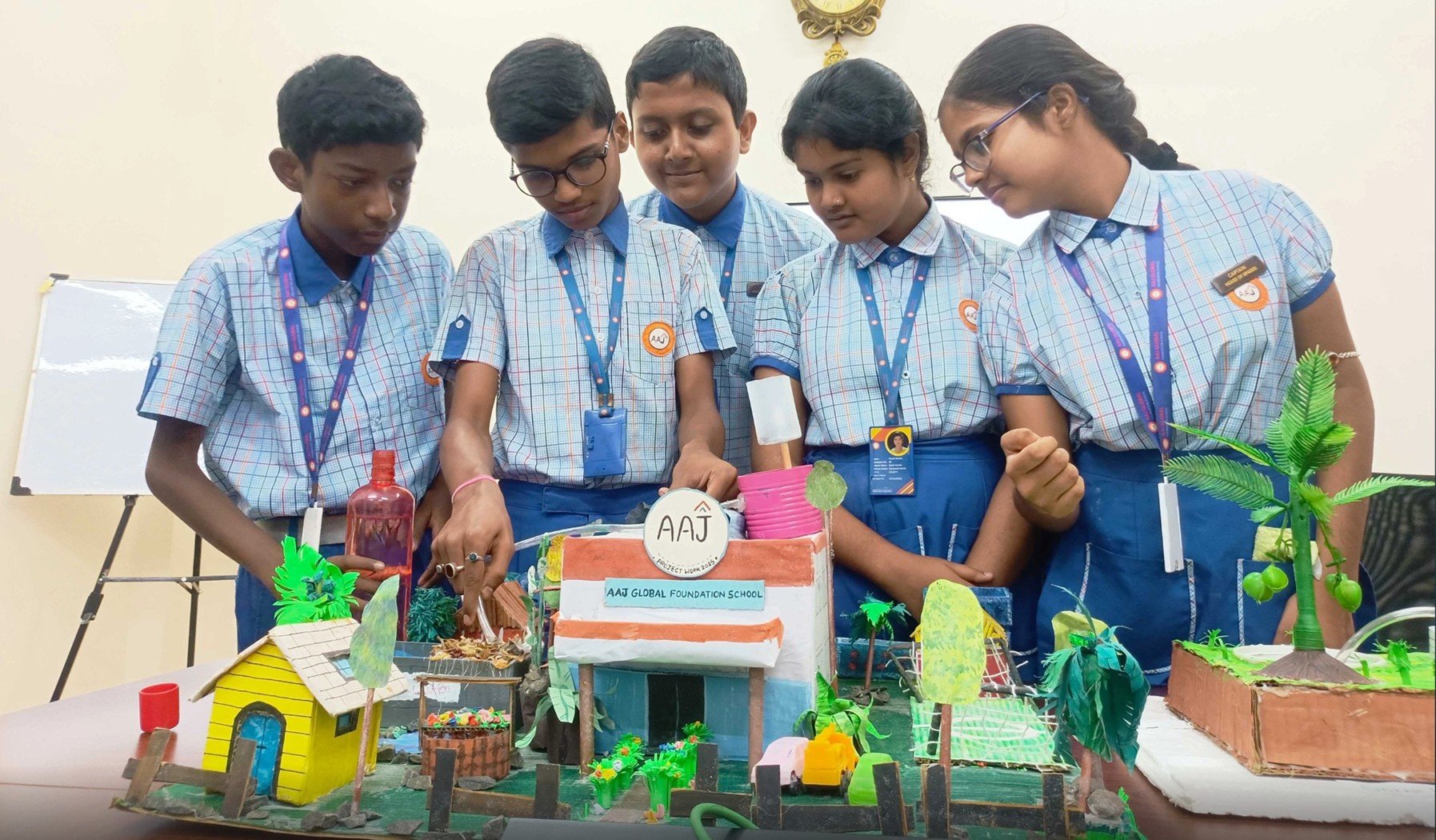
Leadership Starts With Small Choices
Children grow into leaders when they’re allowed to choose how to present a project, what role to take in a group activity, or how to solve a classroom challenge.
Simple choices help them:
● Build confidence
● Think independently
● Take responsibility
When students are trusted with small decisions early, they learn to take bigger decisions later.
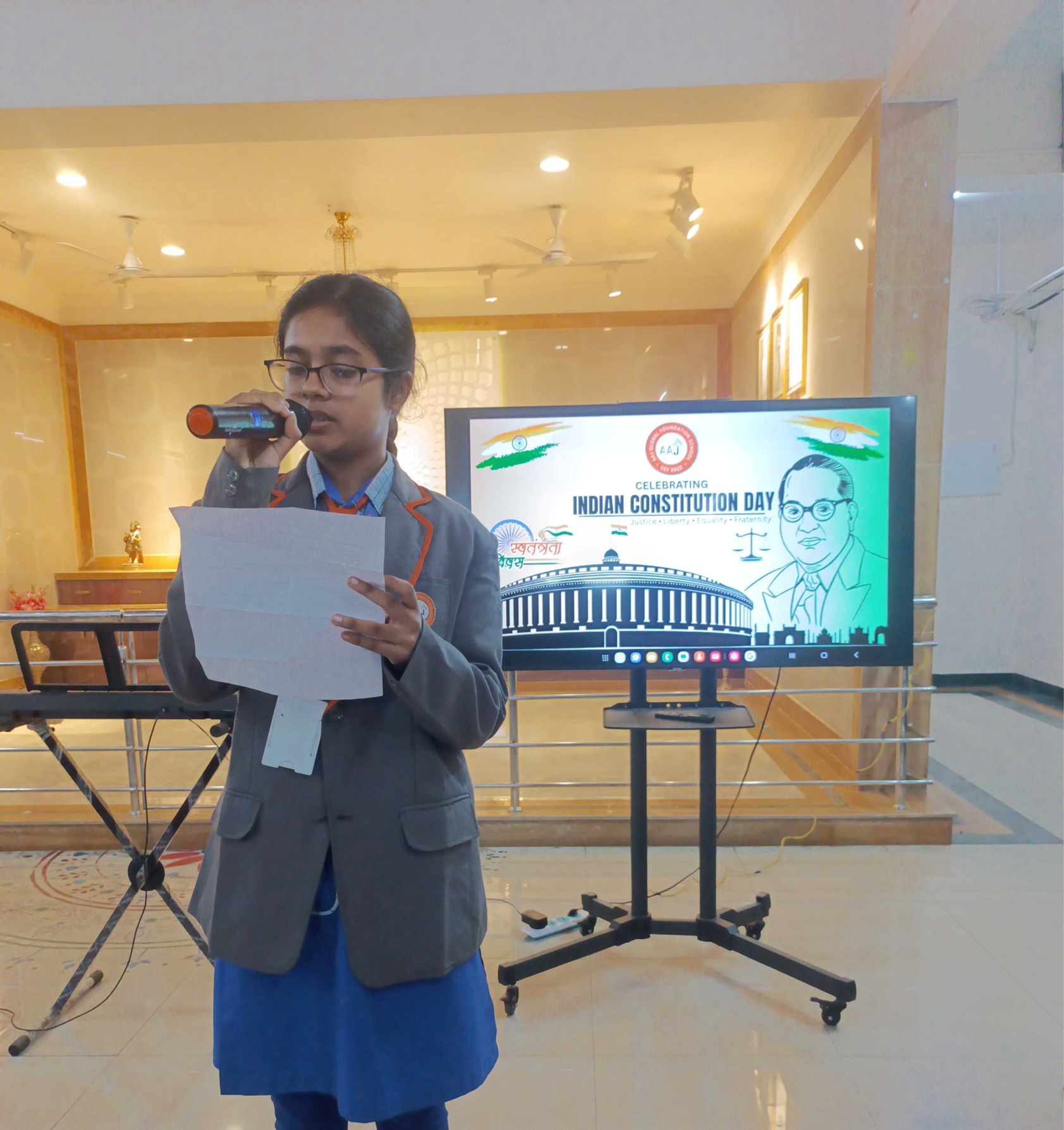
Classrooms That Feel Like Communities
Today’s learning spaces work best when they operate like mini communities. Instead of one-way teaching, students collaborate, discuss, and co-create.
This environment nurtures:
● Communication
● Empathy
● Active listening
● Respect for diverse perspectives
A child who learns to collaborate at ten grows into an adult who leads with understanding at thirty.
Real-World Challenges Build Real Leaders
Leadership thrives in challenge, not comfort.
Schools can introduce small yet powerful real-world experiences:
● Leading a class activity
● Planning a mini event
● Brainstorming a community idea
● Managing a group task
These experiences teach problem-solving, resilience, initiative, adaptability and skills that every future leader needs.
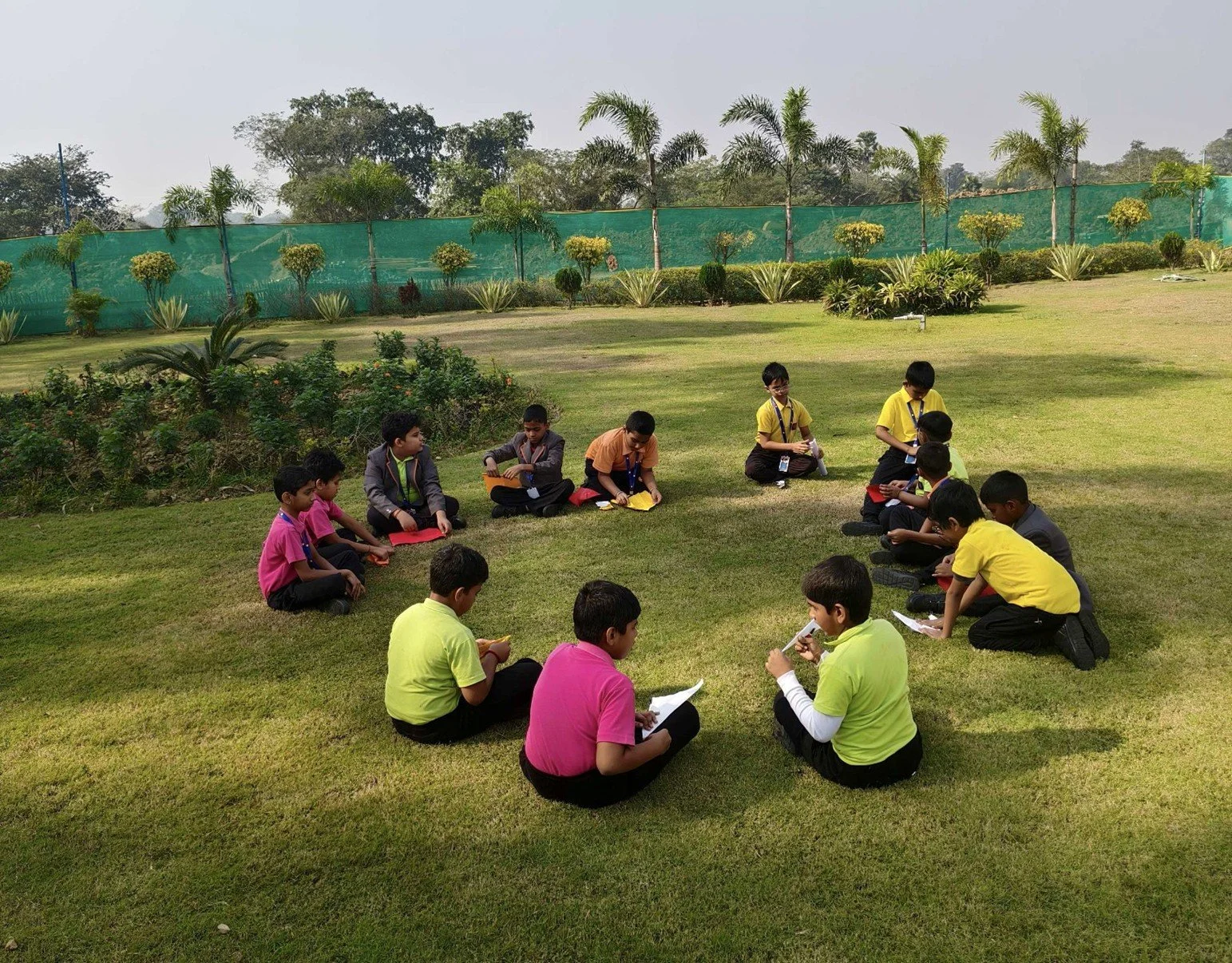
Giving Children a Voice
The strongest leaders aren’t always loud, they’re clear, confident, and thoughtful.
Through debates, storytelling, show-and-tell, presentations, and reflection circles, students learn to:
● Express ideas
● Listen to others
● Respect differing opinions
When children realize their voice matters, they begin to lead with purpose.
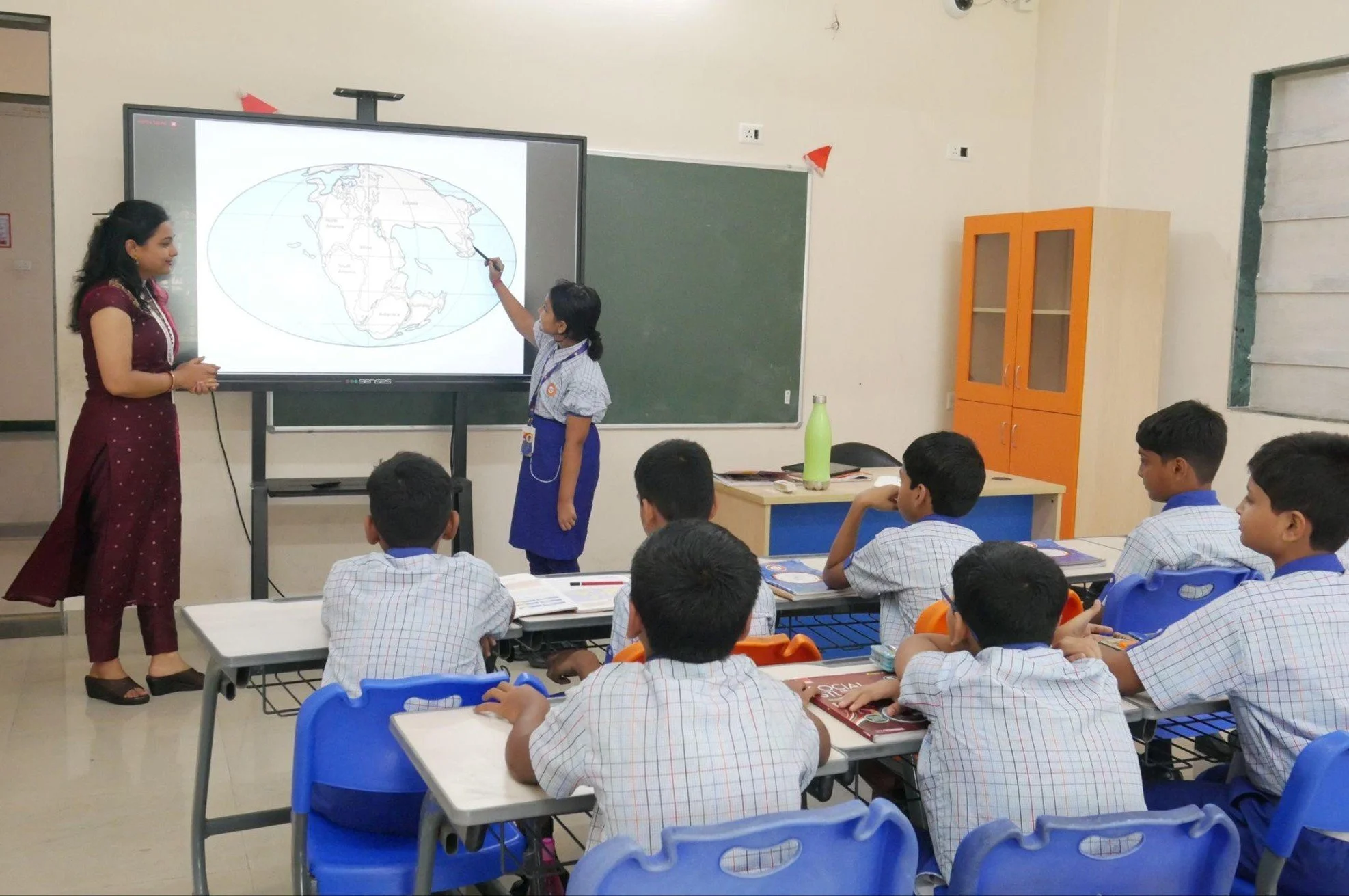
Creativity Is a Leadership Superpower
Leadership today is less about authority and more about innovation.
Creative classrooms filled with design challenges, arts, role-play, and imagination help children:
● Think outside the box
● Explore new perspectives
● Solve problems creatively
A creative thinker becomes a leader who can inspire and innovate.
Emotional Intelligence: The Heart of Modern Leadership
Leaders of the future will need more than strong ideas, they’ll need strong emotional understanding.
Schools can build emotional intelligence through:
● Mindfulness
● Journaling
● Storytelling
● Group reflections
Children learn empathy, self-awareness, and conflict resolution, the foundation of healthy leadership.
Leadership Rooted in Values
Leadership without values is just authority. With values it becomes character.
Schools that emphasize kindness, honesty, responsibility, and community service help students develop leadership that is grounded, ethical, and human.
The Bottom Line
Leadership doesn’t begin in boardrooms, it begins in classrooms, playgrounds, and everyday choices.
When schools give children space to decide, speak, collaborate, create, and reflect, they unlock a leader in every child.
Because the leaders of tomorrow are already here curious, imaginative, and ready. All they need is the right environment to grow.
At AAJ Global Foundation School, we’ve already begun weaving these leadership-building experiences into everyday school life not as separate lessons, but as natural moments of growth. Whether it’s students leading morning reflections, designing small group projects, presenting their ideas during class discussions, resolving conflicts through dialogue, participating in peer-support circles, or taking charge of classroom responsibilities, leadership is gently nurtured in age-appropriate ways.
These simple, meaningful practices help children discover their voice, understand their strengths, and step into roles that build confidence and character. And as they grow, they begin to see themselves not just as learners, but as future thinkers, creators, and leaders who can make a difference.
Because every moment we invest in young minds today shapes the leaders who will shape our world tomorrow.
What do you think?
At what age do you believe leadership truly begins, childhood or later in life?