Because the most meaningful lessons are not always found on the pages of a textbook.
Imagine two classrooms.
In the first, students learn about plants by reading a chapter, memorising their parts, and answering questions at the end.
In the second, students plant a seed, nurture it, observe its growth, and discover what happens when sunlight or water is missing.
Both classrooms teach the same subject. Yet the learning experiences are remarkably different.
One introduces children to knowledge. The other invites them to experience it, question it, and discover its meaning for themselves.
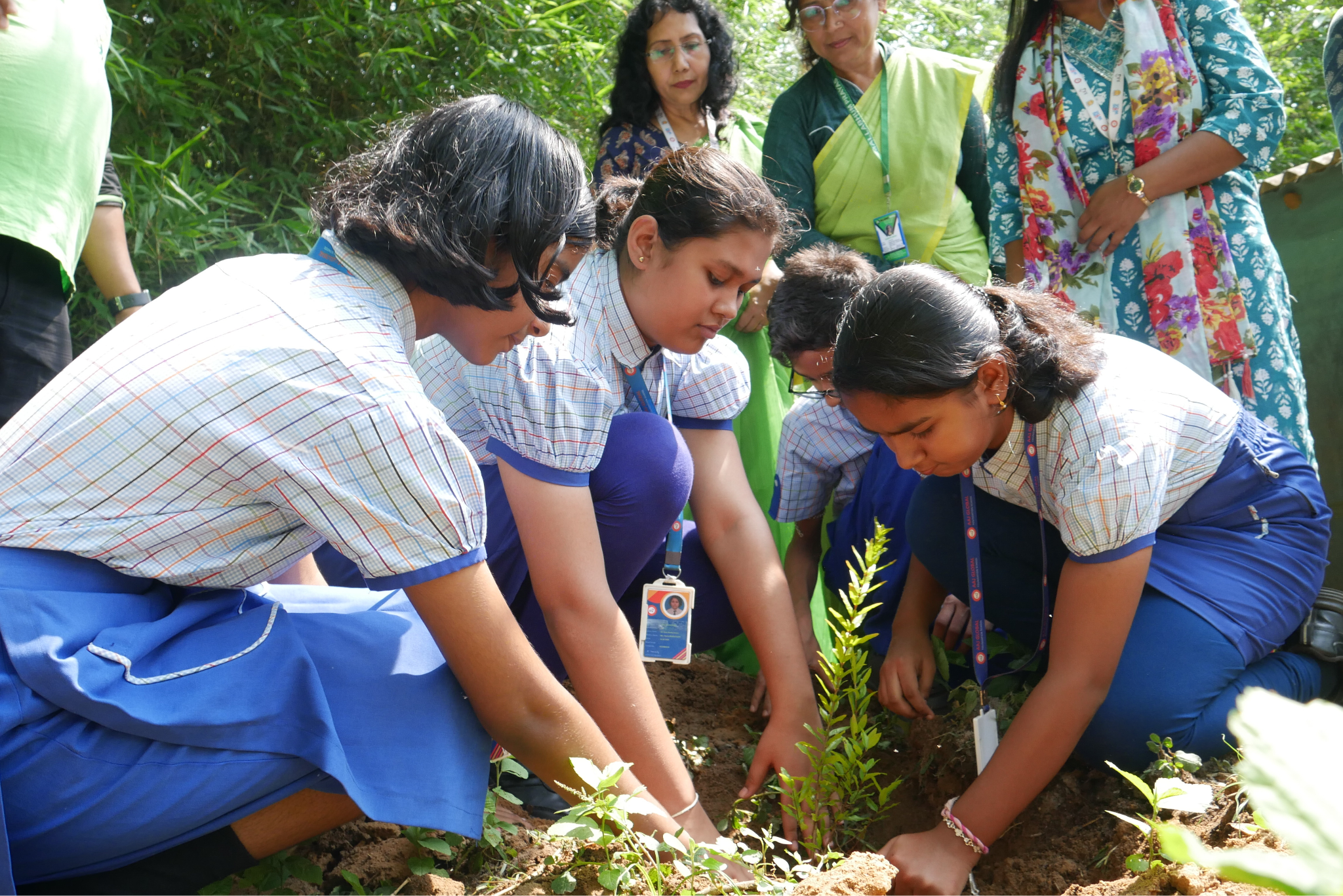
This simple distinction reflects a significant shift in modern education: learning is no longer just about what children know, but also about what they can understand, explore, and apply.
As education evolves, experiential learning is bringing a fresh perspective to classrooms, transforming children from passive recipients of information into active participants in their own learning journeys.
But what transforms a simple activity into a meaningful learning experience?
Beyond Participation: What Makes an Experience Truly Educational?
A classroom can be full of activity and still be missing the most important ingredient: learning.
Educational theorist David Kolb's experiential learning model outlines four key stages: concrete experience, reflective observation, abstract conceptualisation, and active experimentation.
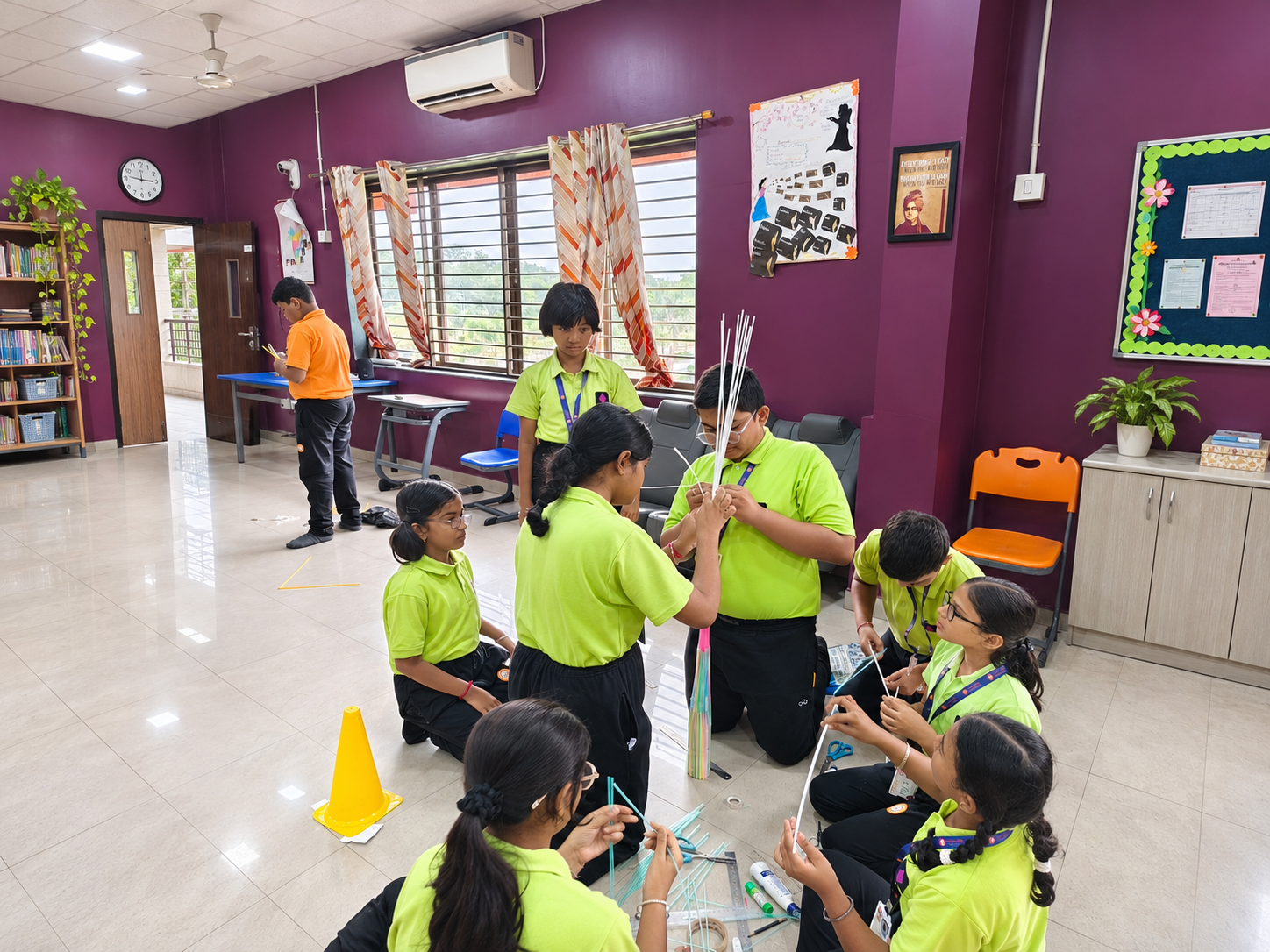
Imagine students building a bridge that unexpectedly collapses. The real learning begins when they ask, What went wrong? What could we do differently? Through questioning and experimentation, a simple activity becomes an opportunity to develop critical thinking and problem-solving skills.
A practical classroom takeaway: Encourage students to reflect on three questions: What did I discover? What surprised me? What would I change?
It's this process of reflection that transforms an activity into a meaningful learning experience.
The Hidden Curriculum: Lessons Beyond the Textbook
Sometimes, the most valuable lesson isn't the one the teacher originally planned.
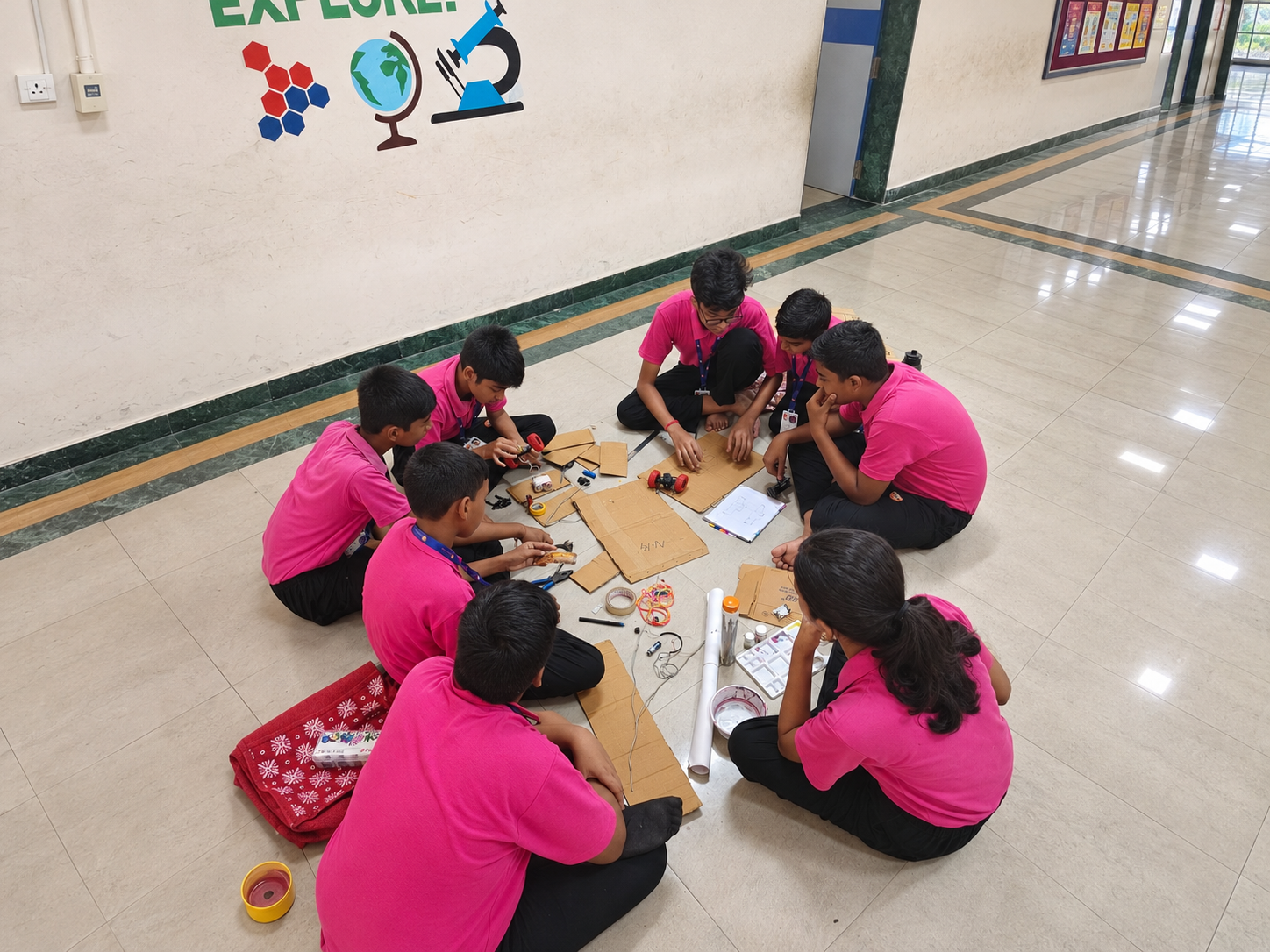
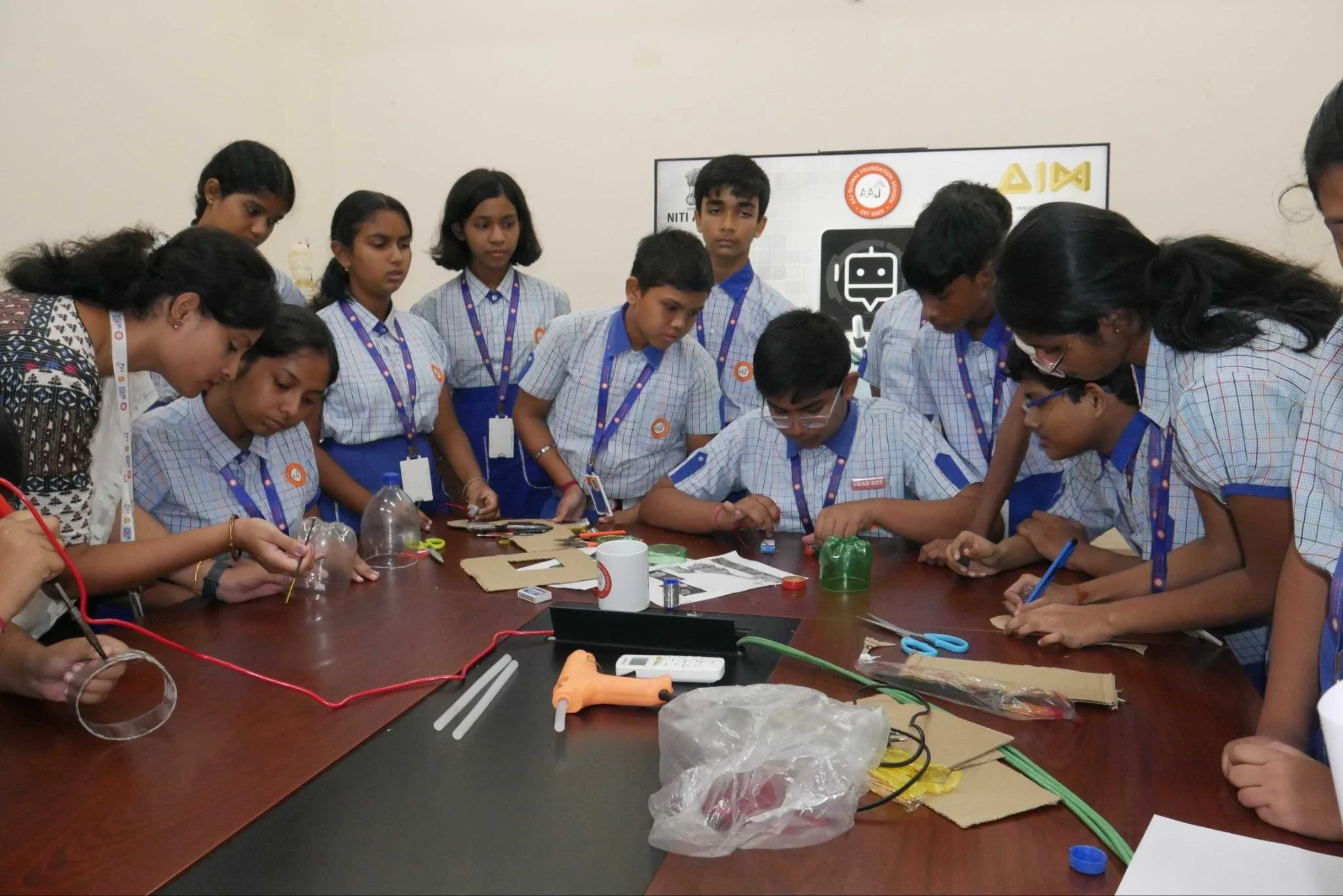
Imagine students working together to create a sustainable city model. While exploring environmental science, they also encounter challenges that demand teamwork and decision-making.
One student takes the lead, another suggests a different approach, and together they learn to navigate disagreements, share responsibilities, and find solutions.
Without a separate lesson on leadership or teamwork, children are developing both.
These experiences nurture communication, adaptability, empathy, and collaboration, essential skills that extend far beyond academic achievement.
What begins as a classroom project can become a valuable lesson in navigating real-life situations.
From Giving Answers to Inspiring Questions
What if a teacher's most powerful tool wasn't an answer, but a question?
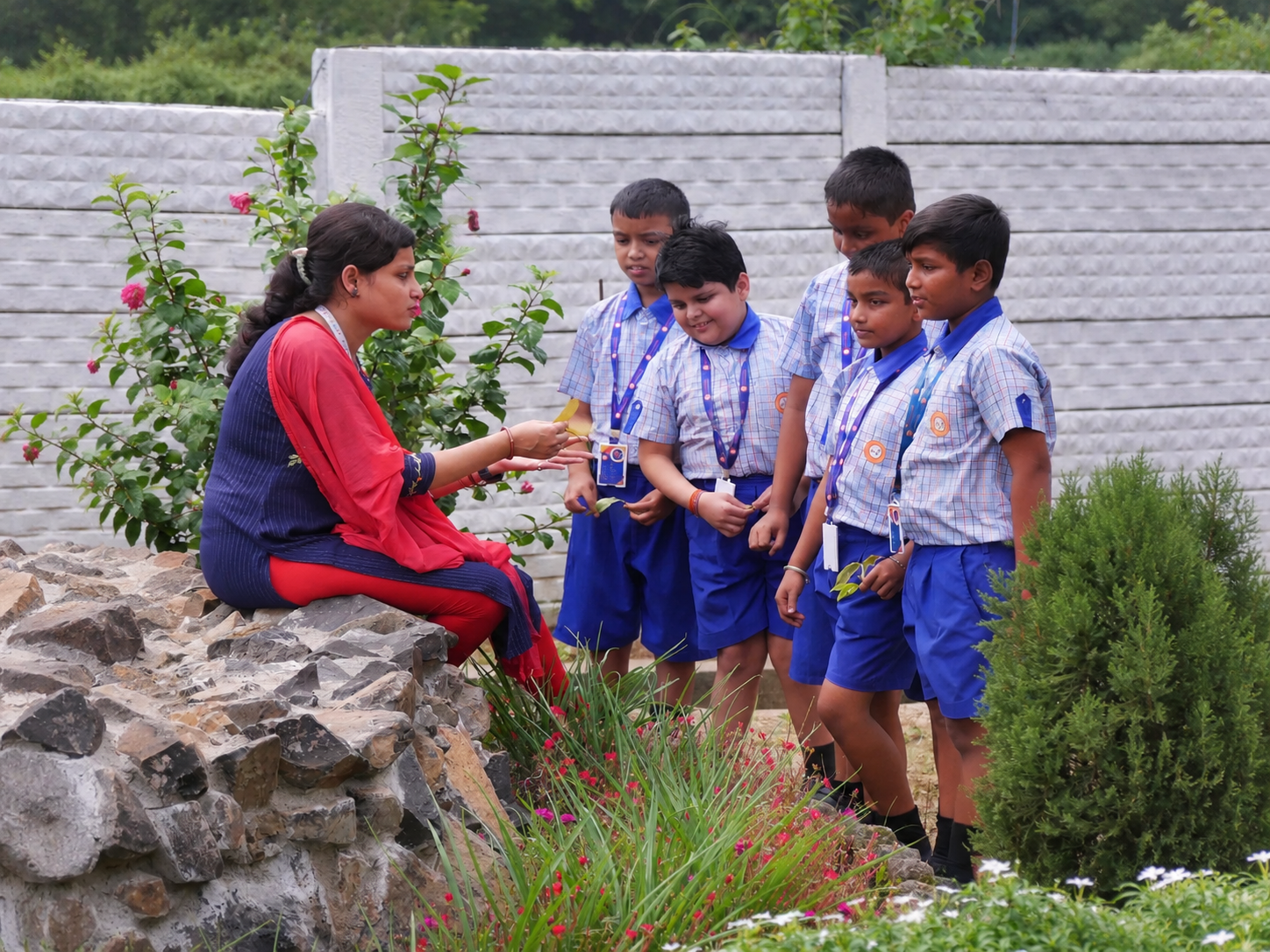
In an experiential classroom, educators become facilitators of discovery, guiding children to explore ideas, challenge assumptions, and develop their own understanding.
Instead of immediately explaining why an experiment failed, a teacher might ask, “What do you think caused this?” or “How else could we approach it?”
Such questions encourage independent thinking, build confidence, and help students take greater ownership of their learning.
The teacher's role doesn't become less important; it becomes more purposeful, creating an environment where curiosity leads the way and discovery becomes part of the learning process.
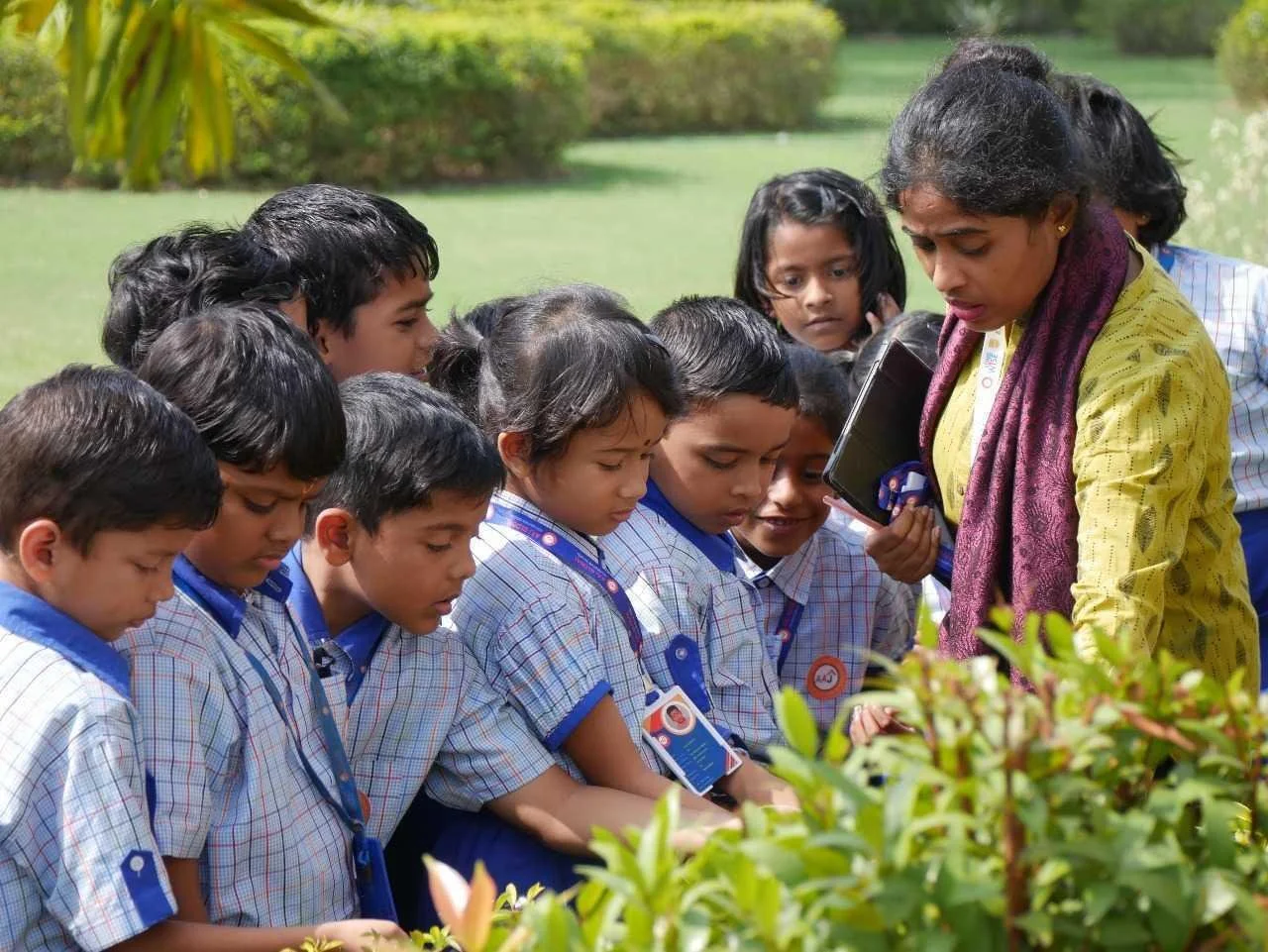
When the Real World Becomes the Classroom
What happens when lessons step out of textbooks and into everyday life?
A visit to a local market can turn mathematics into budgeting and decision-making, while a community initiative can bring lessons on social responsibility and empathy to life.
Such experiences help children recognise that subjects aren't isolated chapters but interconnected parts of the world around them.
More importantly, they encourage students to apply their knowledge to real-world situations, where challenges don't always come with straightforward solutions.
After all, knowledge becomes truly valuable when children discover how to put it into practice.
Preparing Young Minds for a Future Yet to Be Written
How do we prepare children for a world we cannot fully predict?
As technology evolves and new challenges emerge, knowledge alone may not be enough. Children will need the confidence to navigate uncertainty, embrace change, and continue learning throughout their lives.
Experiential learning helps nurture this mindset by exposing students to unfamiliar challenges, encouraging them to explore possibilities rather than rely solely on ready-made solutions.
The goal isn't to prepare children for every possible scenario, but to develop the resilience, adaptability, and willingness to learn that will help them thrive in a changing world.
After all, the greatest preparation for the future is the ability to keep learning, no matter what it brings.
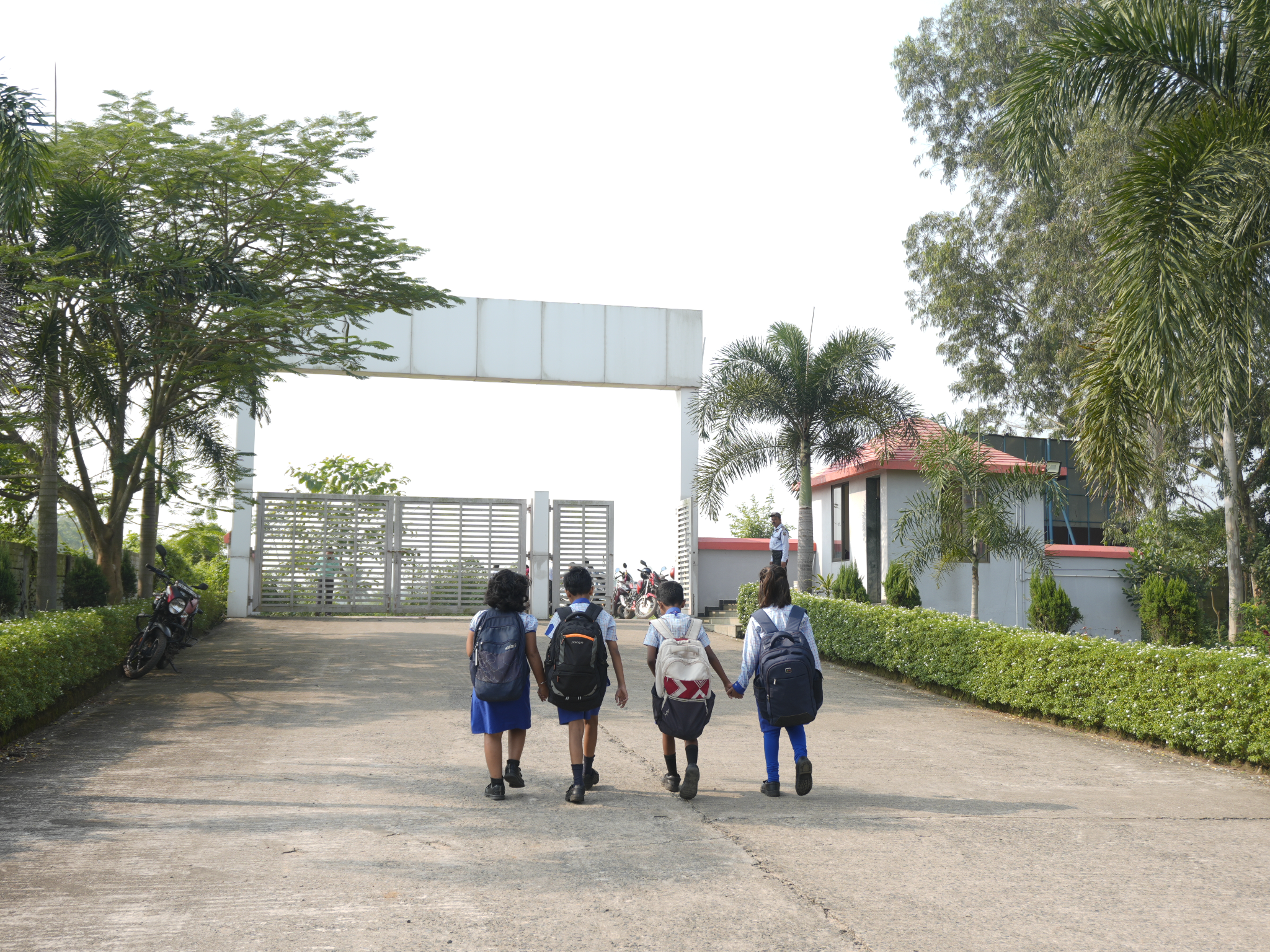
The Final Bell Rings. The Learning Doesn't.
The true measure of education isn't just what children remember, but what they carry forward.
A question that sparked curiosity. A challenge that inspired a new perspective. An experience that turned knowledge into action.
At AAJ Global Foundation School (AGFS), this belief lies at the heart of our approach to holistic education. We strive to create an environment where children are encouraged to explore their potential, think independently, collaborate meaningfully, and grow into confident, compassionate learners.
As education continues to evolve, perhaps the question we should ask isn't simply “What are we teaching children?” but “What are we inspiring them to discover?”
Because at AGFS, we believe the classroom is only the beginning. The world beyond it is where learning finds its true purpose.